
Categories
WaterPublished July 20, 2026
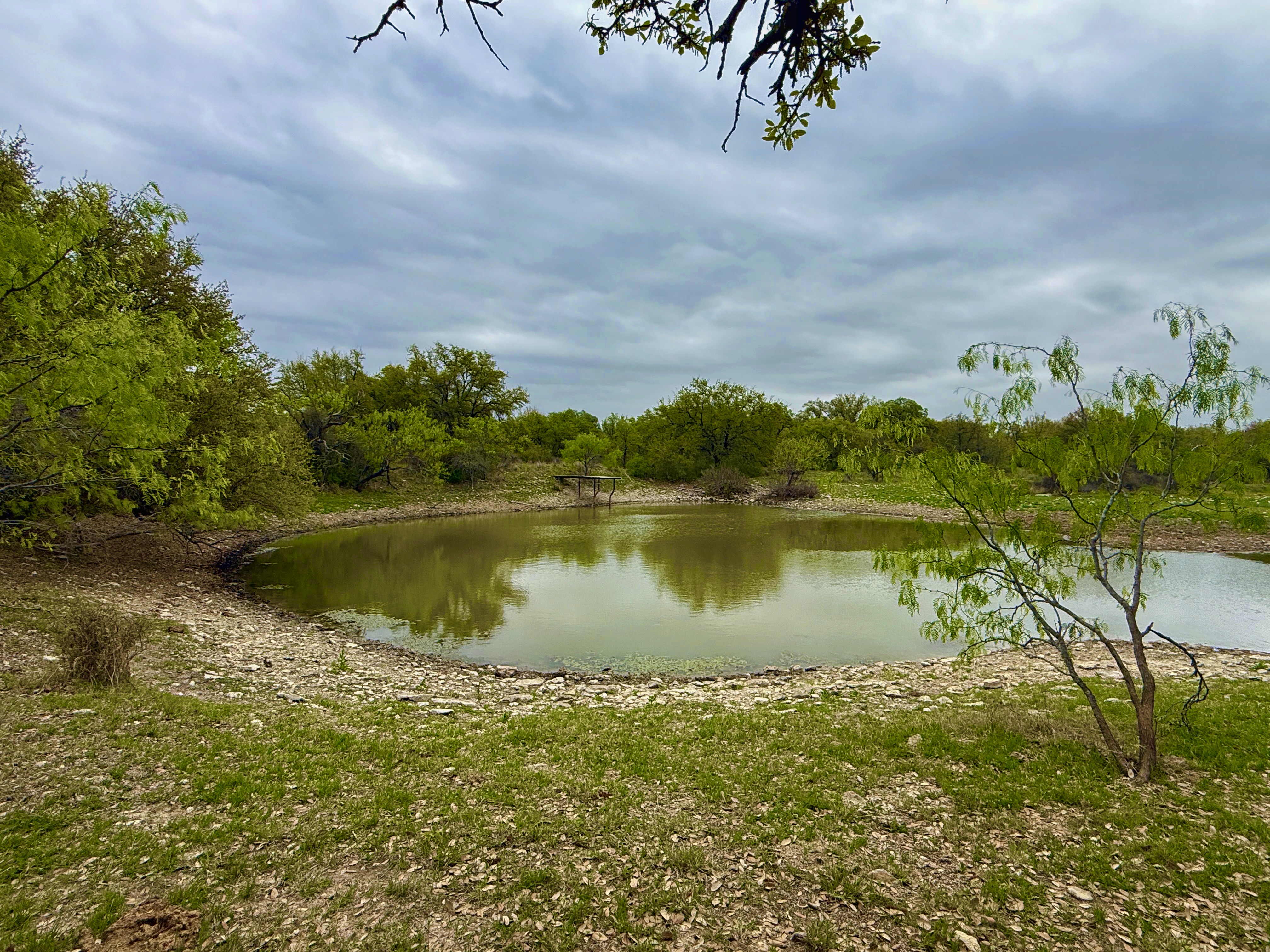
Building a Stock Tanks that holds water.

Water & Infrastructure · The Land Life
Building a Stock Tank That Actually Holds Water
In Texas, we don't call it a pond. It's a tank — and there's a right way and a wrong way to build one. Get it right, and you've got a water source that supports your cattle, improves wildlife habitat, and adds real appraised value to your land.
Here's the rule of thumb most people miss: you need roughly 75 acres of watershed for every 1 acre of surface water. If you don't have the math, you'll overbuild and end up with a half-empty tank that's more eyesore than asset.
Start With the Watershed, Not the Hole
Most first-time tank builders think about this backwards. They pick a low spot on the property, decide how big they want the water to look, and start digging. Then the first dry summer hits and the tank sits at a third of its capacity, cracking at the edges.
The watershed — the land that drains into your tank — is what actually fills it. Before you move a single yard of dirt, walk the property and figure out how much land drains to your chosen site. A rough 75:1 ratio of watershed acres to surface acres is the starting point most Texas NRCS technicians and dirt contractors will still quote you today. Sandier soils and flatter terrain often need more watershed than that; heavier clay soils in higher-rainfall areas can sometimes get by with less. Your local NRCS office or a soil conservation district can run the numbers specific to your county and soil type, and it's worth the phone call before you commit to a size.
Site Selection Matters More Than Size
The best tank sites share a few things in common: a natural drainage that concentrates water without requiring you to move a mountain of dirt, soil with enough clay content to hold water without a liner, and a spot low enough to catch runoff but high enough to avoid flood-prone creek bottoms where TCEQ and Army Corps permitting gets complicated fast.
Have your soil tested before you commit to a site. A percolation test will tell you whether the ground will actually hold water or whether you're building an expensive mud puddle that drains overnight.
The Dam Is the Part People Get Wrong
A tank is only as good as its dam, and this is where cutting corners costs the most later. The core of the dam needs to be built from clay, compacted in lifts, not just pushed-up native soil. Skip the core trench and you're building a structure that will seep from day one.
Freeboard — the distance between your normal water level and the top of the dam — needs enough room to handle a heavy rain event without the water topping the dam and eating away at it. A spillway, whether it's a pipe system or a vegetated emergency spillway, has to be sized for your watershed so excess water has somewhere controlled to go instead of finding its own way through your dam.
This is not a job for guesswork or for the cheapest dirt contractor in the county. A tank built without an engineered core and proper spillway might hold water for a season or two before it fails — and dam failures on a working ranch are expensive and sometimes dangerous.

Why It's Worth Getting Right
A well-built tank does more than water cattle. It draws deer, waterfowl, and other wildlife, which matters if hunting leases or wildlife exemptions are part of your land's value. Appraisal districts and buyers both notice a reliable water feature — it signals the land has been managed, not just owned. And a tank that holds water through a Texas summer is one less thing you're trucking water in for.
The math is simple even if the dirt work isn't: get the watershed ratio right, get the soil and site right, and build the dam like it matters — because it does. Do that, and your tank becomes one of the most valuable improvements on the whole property.

Greg Potts
| Greg Potts | GS Realty Team | Fathom Realty


or another way