Published July 27, 2026
Easements & Right-of-Way in Texas: The Access Issues That Surface After Closing

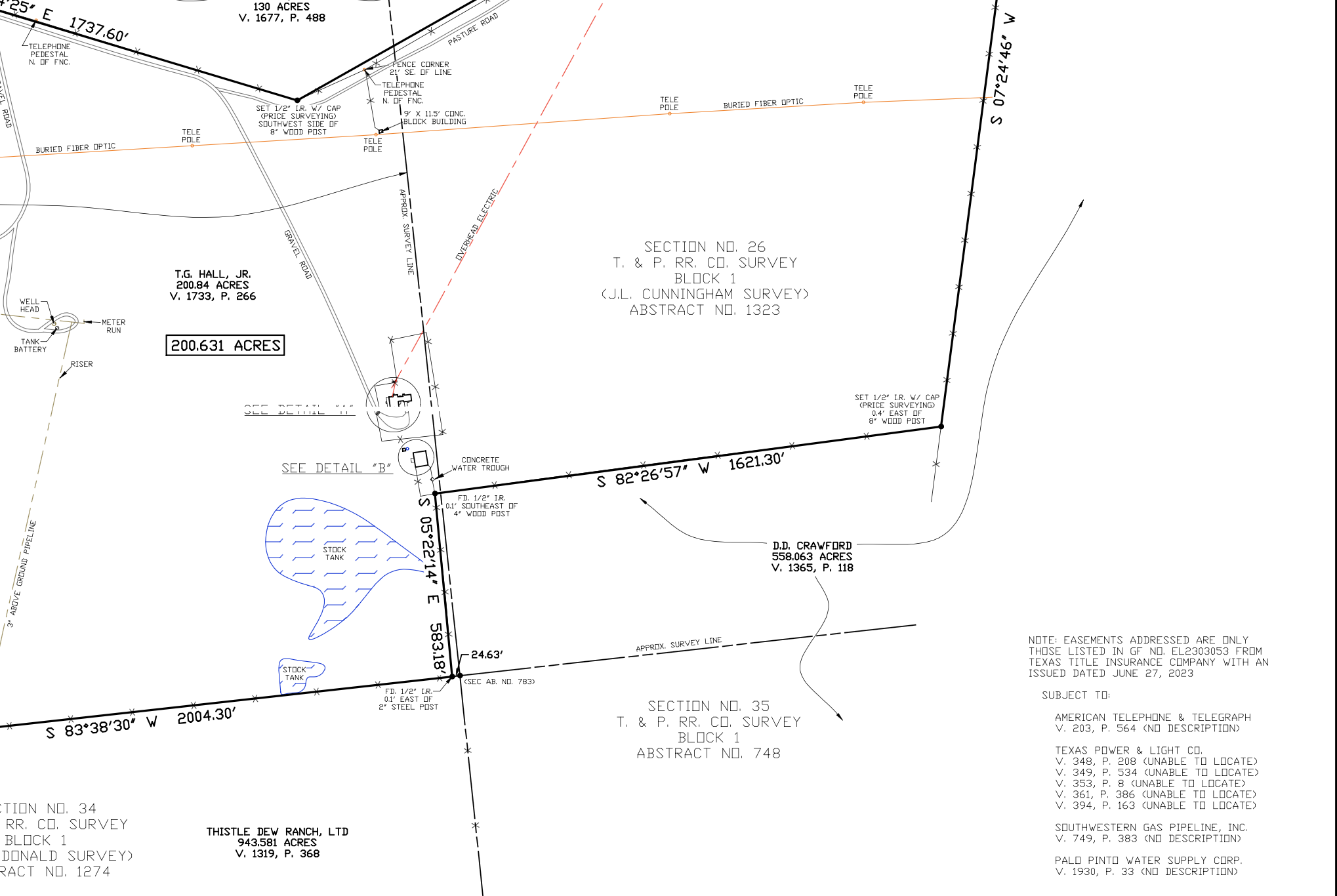
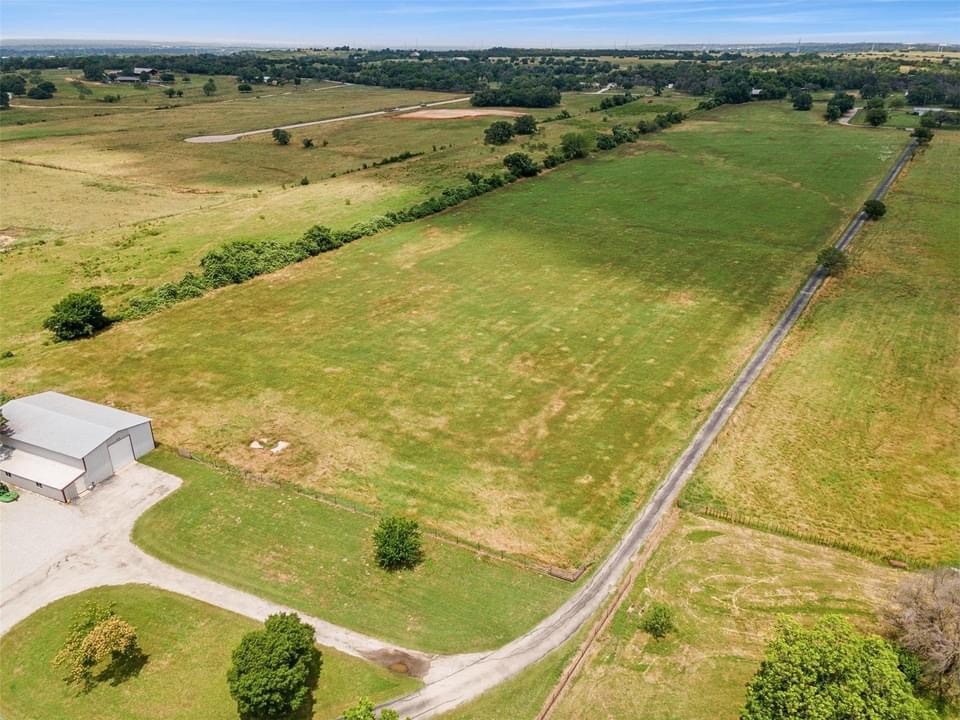
The road you drive in on to reach your own property might not actually be yours to use — or a neighbor, utility company, or pipeline operator might have a permanent legal right to cross land you thought was entirely private. In Texas, this is governed by easement law, and it's one of the most common surprises buyers run into after closing rather than before.
What an Easement Actually Is
An easement gives someone other than the property owner the legal right to use part of the land for a specific purpose — a utility line, a shared ranch road, a pipeline corridor, or simply the right to cross the property to reach an adjoining parcel. A right-of-way is a specific type of easement that permits crossing over or under someone else's land. In Texas, all rights-of-way are easements, but not every easement is a right-of-way.
Recorded vs. Verbal: Why a Handshake Won't Protect You
If an easement is written and properly recorded, it is generally appurtenant — meaning it runs with the land and transfers automatically to a new owner at sale, whether or not that buyer knew about it at closing. A verbal agreement is a different story. An informal understanding with a neighbor (“sure, cross my land, no problem”) typically does not survive a change in ownership. The next owner isn't obligated to honor it, and disputes over exactly this scenario are common enough that Texas courts have addressed them directly.
The Landlocked Property Trap
If a parcel has no direct road frontage, it does not automatically come with a legal right to cross a neighboring property to reach it. Before buying landlocked or interior acreage, confirm there is an actual recorded easement providing access — not just a history of driving across a neighbor's land without objection.
What a Title Search Should Show You
A full title commitment should list every recorded easement affecting the property: utility, access, pipeline, and drainage. This matters beyond simple access — pipeline and utility easements can restrict where you're allowed to build a home, barn, or fence line, so it's worth reviewing before you plan any improvements, not after.
What to Do Before You Write an Offer
● Request a full title search for every recorded easement on the property — not just the ones mentioned in the listing.
● Confirm the property has legal, recorded road access, not just a dirt road you're currently able to drive on.
● If access depends on crossing a neighbor's land, get written confirmation of an enforceable, recorded easement.
● Ask about shared or private road maintenance agreements, and who is responsible for the cost.
● Consider a survey to see exactly where recorded easements fall relative to the property lines before closing.
Sources
● Easements in Texas — Judon Fambrough, Texas Real Estate Research Center at Texas A&M University
● All You Need to Know About Easements and Rights of Way in Texas — Whitman Land Group
● Access and Easement 101 for Texas Land Buyers — Preferred Properties of Texas
● Texas Real Estate Commission — Easement / Right-of-Way Reference Form (ERW 4-1)