
Categories
Mineral RightsPublished July 23, 2026
Mineral Rights in Texas

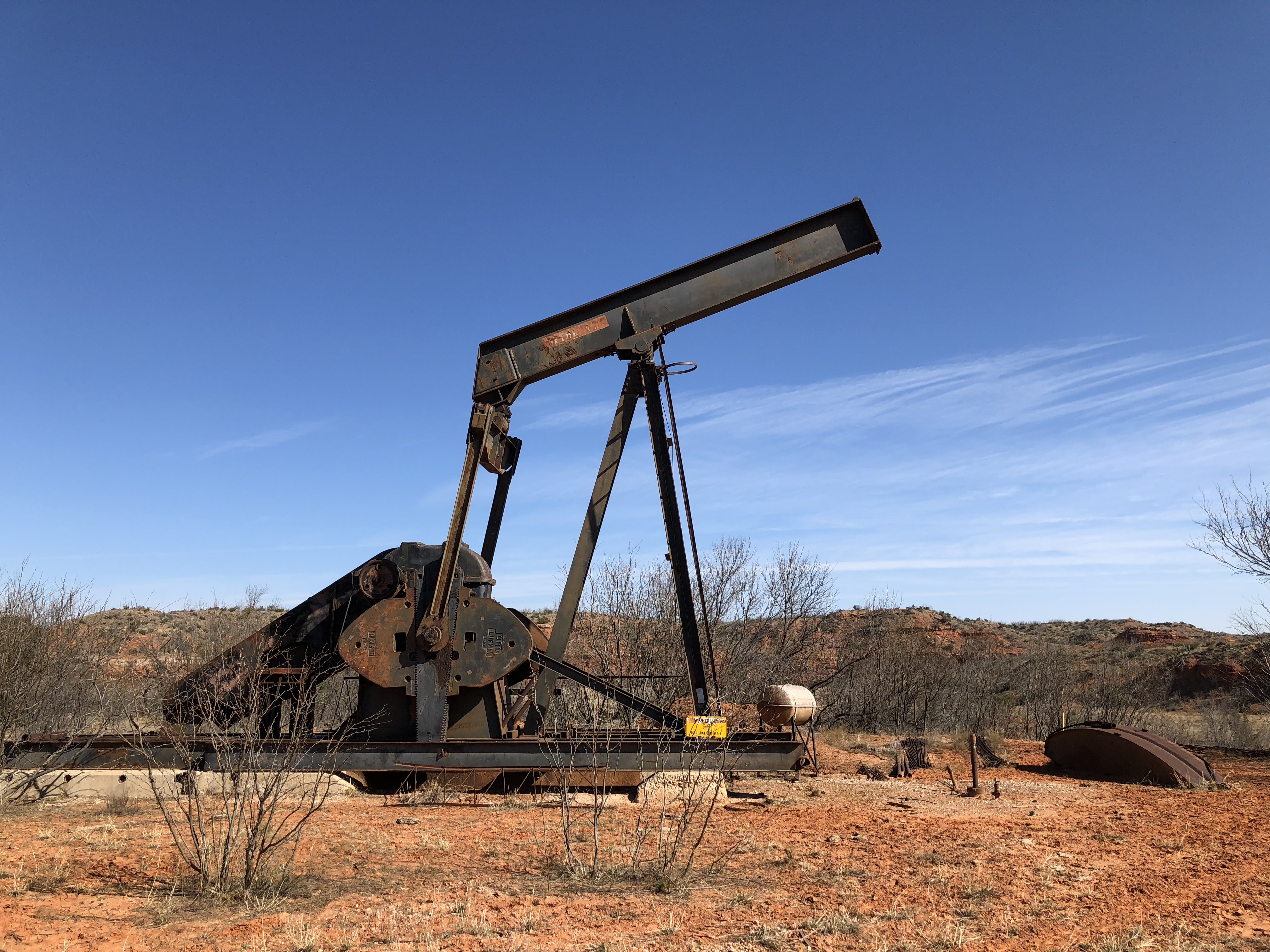
Mineral Rights in Texas: What Every Land Buyer Needs to Know Before Closing

You can close on a Texas ranch, record the deed, and own every fence post on the property — and still not own what's underneath it. That's not a technicality. It's one of the most consequential things a land buyer can miss, and it rarely shows up unless you go looking for it.
The Surface Isn't Always the Whole Property
Texas law allows land to be divided into two separate estates: the surface estate (the ground itself, and everything built or grown on it) and the mineral estate (oil, gas, and other minerals beneath it). These two estates can be owned by different people. When a previous owner sold or leased the minerals separately from the surface — sometimes generations ago — the result is what's called a severed estate. If you buy the surface today, you may not be buying what's underneath it at all.
Why the Mineral Estate Is “Dominant” in Texas
Texas courts have long held that the mineral estate is the dominant estate relative to the surface. In practice, this means whoever owns the minerals has an implied legal right to use as much of the surface as is reasonably necessary to explore for and produce them — access roads, drill pads, and pipelines included. A surface-only owner generally cannot block this access outright.
The Accommodation Doctrine: Your Only Real Protection
The Accommodation Doctrine softens this rule somewhat. If the surface owner already has an existing use of the land, and the mineral owner has a reasonable alternative way to access the minerals that wouldn't interfere with that existing use, the mineral owner may be required to accommodate it. In practice, this doctrine is narrow, fact-specific, and can be costly to enforce — it is a limited protection, not a guarantee.
How Severed Minerals Affect Financing and Value
Severed mineral rights aren't just a legal curiosity — they can affect the deal itself. Lenders are often more cautious about financing property with severed minerals in active drilling areas, since surface disruption is a real risk to collateral value. Appraisers may apply a discount to reflect that risk. If you're financing a purchase, this is worth raising with your lender before you're emotionally attached to a specific property.
What to Do Before You Write an Offer
● Order a mineral rights / title search to see whether minerals were severed from the surface, and if so, when and by whom.
● If severed, find out whether there's an active lease or producing well, and who currently holds the rights.
● Talk to your lender early about financing implications in active drilling areas.
● Understand that the Accommodation Doctrine is a limited protection, not a way to block development outright.
● Decide whether to negotiate for the minerals to be included in the sale, or price the land with the severed estate in mind.
Looking at a specific ranch or land listing and want to know its mineral status before you write an offer? [Link: See current GS Realty Team listings with minerals included] — reach out and we'll help you read the title commitment before you're under contract.
Sources
● Texas Mineral Owner's Implied Right to Use the Surface — Chas S. Middleton and Son
● Texas Mineral Rights: Surface Use & Agent Responsibilities — The Texas Land Agent
● Mineral Rights vs. Surface Rights: What Every Landowner Needs to Know — Adcox Law Firm
● Mineral Rights in Texas: 2026 Guide to Ownership — MineralView

Greg Potts
| Greg Potts | GS Realty Team | Fathom Realty
or another way