
Categories
CattlePublished July 26, 2026
The Border Is Reopening for Cattle — What It Means for Beef, Roping Stock, and Your Land

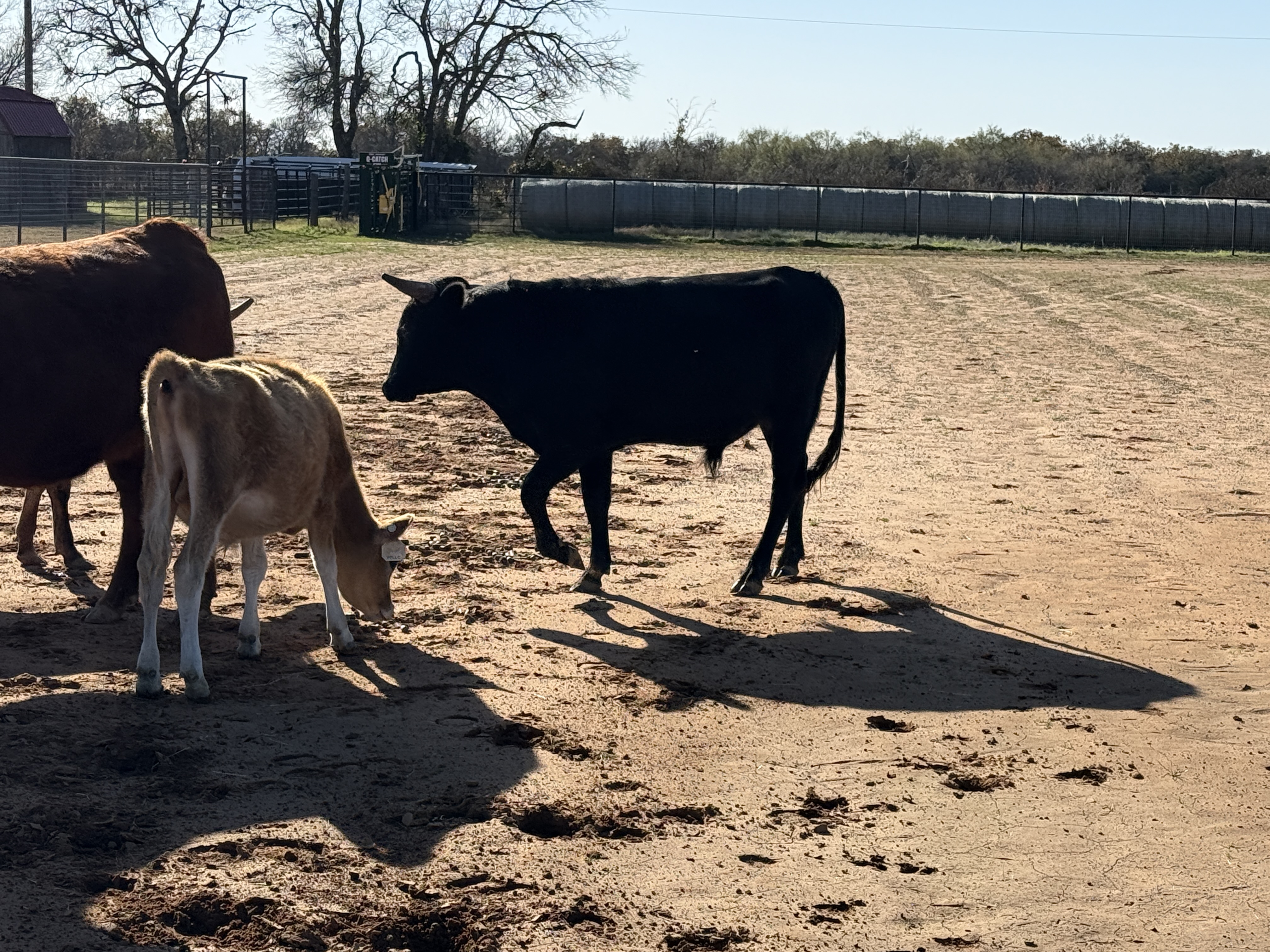
USDA confirmed it this week: the U.S.–Mexico cattle border is reopening, starting with the Douglas, Arizona port of entry on August 24th. It's genuinely good news for an industry that's been squeezed for over a year. But if you're expecting it to show up as a lower number at the meat case this fall, or a cheaper Corriente steer at the next roping, it won't — and here's why.
Why the Border Closed in the First Place
USDA suspended imports of live Mexican cattle, horses, and bison in May 2025 after New World screwworm — a flesh-eating parasite eradicated from the U.S. decades ago — turned up in cattle in southern Mexico. The parasite kept moving north. In June 2026, USDA confirmed the first U.S. case in nearly a decade: a three-week-old calf in Zavala County, Texas, about 60 miles from the border. That closure, layered on top of the smallest U.S. cattle herd in 75 years, is a major reason retail beef hit a record $9.64 a pound in April — up 13% year over year.
How the Reopening Actually Works
This isn't a light switch. USDA's plan is phased and conditional:
● Douglas, Arizona opens first — August 24, 2026.
● Columbus, New Mexico follows — around September 14.
● Santa Teresa, New Mexico opens after that, timeline to be confirmed.
Every animal crossing has to originate from approved low-risk regions of Sonora or Chihuahua, pass through a pre-export inspection facility, get individually screened for screwworm, and receive treatment (including Ivermectin) from a Mexican veterinarian before it's cleared. USDA has also said it can pause any port if audits show rising risk in Sonora or Chihuahua — as of July 22, the nearest active screwworm case to Douglas was still about 325 miles out.
What It Means for Beef Prices
Here's the distinction that matters: the cattle crossing in August are feeder calves, not beef. A feeder calf needs months on feed before it's a market-weight animal ready for slaughter. That means the supply impact rolls out in stages — placements build through late 2026, fed-cattle supply improves through 2027, and retail beef prices are the last link in that chain to move. If you're budgeting a ranch operation or a household grocery bill around this news, plan on next year, not next month.
What It Means for Roping Cattle
If you rope, you've already lived this. Mexican Corriente cattle have long been the backbone of team roping and steer wrestling practice stock in the U.S., and the border closure cut that supply off directly. Steers that sold for under $1,000 a head before the closure have been running closer to $2,400 since — and a single port reopening in Arizona doesn't reverse that overnight. Expect roping stock prices to ease gradually as supply normalizes, not snap back this fall.
What It Means If You're Buying or Running Land in Cattle Country
This is the part worth sitting with if you're evaluating ranch land right now. Herd economics — what it costs to stock, run, and replace cattle — are a direct input into what a working ranch is worth to operate, and this reopening changes that math over the next 12–24 months.
[Insert link: ranches currently listed with existing cattle-operation infrastructure]
[Insert link: current listings in the border counties most affected by this reopening]
Sources
● USDA — Announces Phased Reopening of Southern Ports for Livestock Trade (July 24, 2026)
● Texas Tribune — U.S. to resume import of Mexican cattle amid parasite outbreak
● CNBC — How screwworm in Texas cattle herds could re-inflate record beef prices
● Team Roping Journal — How the Screwworm Border Closure Is Driving Roping Steer Prices Higher
● Dallas Fed — Ranchers herd it all as fewer cattle pressure beef prices; screwworm lurks
We know this ground. Let's find yours.

Greg Potts
| Greg Potts | GS Realty Team | Fathom Realty
or another way