
Categories
Buyer ResourcesPublished July 22, 2026
Texas Land Buyers Checklist


BEFORE YOU MAKE AN OFFER
The Texas Land Buyer's Checklist
What nobody tells you before you buy: water rights, mineral rights, easements, and the property tax exemption that can cost you thousands if you get it wrong.
This checklist pulls together the four things buyers of Texas land and ranch property most often discover too late — after closing, not before. Work through it alongside your real estate agent, title company, and (where noted) an attorney or CPA, before you're under contract.
In this checklist:
The Texas Land Buyer's Checklist
What nobody tells you before you buy: water rights, mineral rights, easements, and the property tax exemption that can cost you thousands if you get it wrong.This checklist pulls together the four things buyers of Texas land and ranch property most often discover too late — after closing, not before. Work through it alongside your real estate agent, title company, and (where noted) an attorney or CPA, before you're under contract.
In this checklist:
- Water Rights (Surface & Groundwater)
- Mineral Rights
- Easements & Right-of-Way
- Property Tax & Ag Exemption Rollback
SECTION 1
Water Rights: Surface & Groundwater
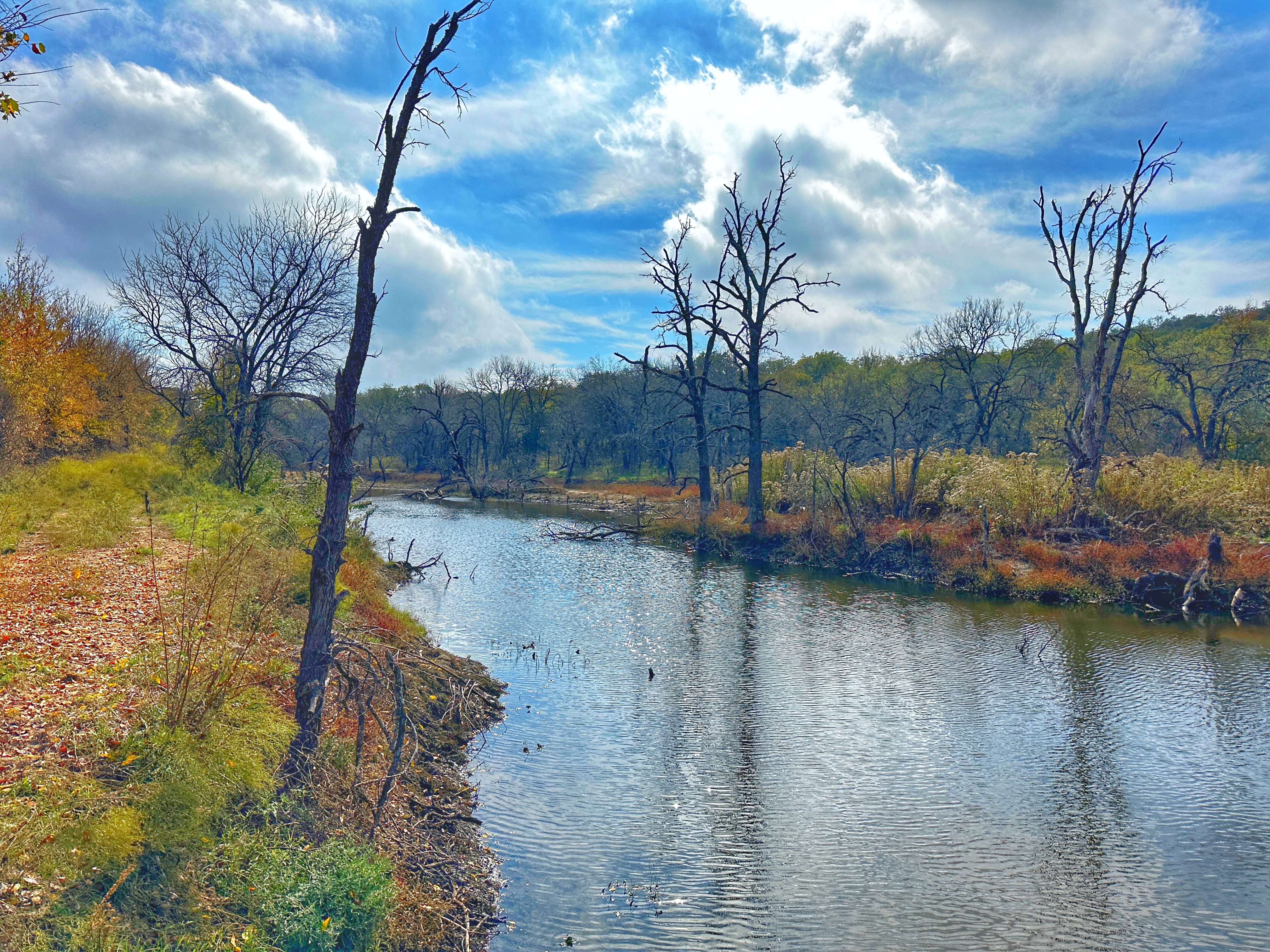
Texas treats these two very differently, and the difference changes what you can do with a property. Groundwater (from a well) is owned by the landowner under the Rule of Capture — you generally don't need a permit to drill a well and pump it, though local Groundwater Conservation Districts (GCDs) increasingly regulate how much. Surface water (a river, creek, or lake) is owned by the State of Texas. Beyond basic household and livestock use, using it for irrigation or commercial purposes requires a permit from the Texas Commission on Environmental Quality (TCEQ), and permits are ranked by priority date — senior rights get water first in a drought.
 Confirm whether the property sits inside a Groundwater Conservation District, and get its well permitting and pumping rules before you assume you can drill wherever you want. See the statewide GCD map at tagd.halff.com. If a well already exists, ask for the well log, registration, and production history.
 If the property borders a river, creek, or lake, ask whether any water use beyond household/livestock already has a TCEQ permit — and whether that permit transfers with the sale. Check the title commitment for any prior severance of water rights from the surface estate; water rights, like minerals, can be sold off separately from the land. For irrigation, commercial, or industrial use, confirm the TCEQ permit's priority date — an early (senior) date is worth more than a recent (junior) one when water gets scarce.
SECTION 2
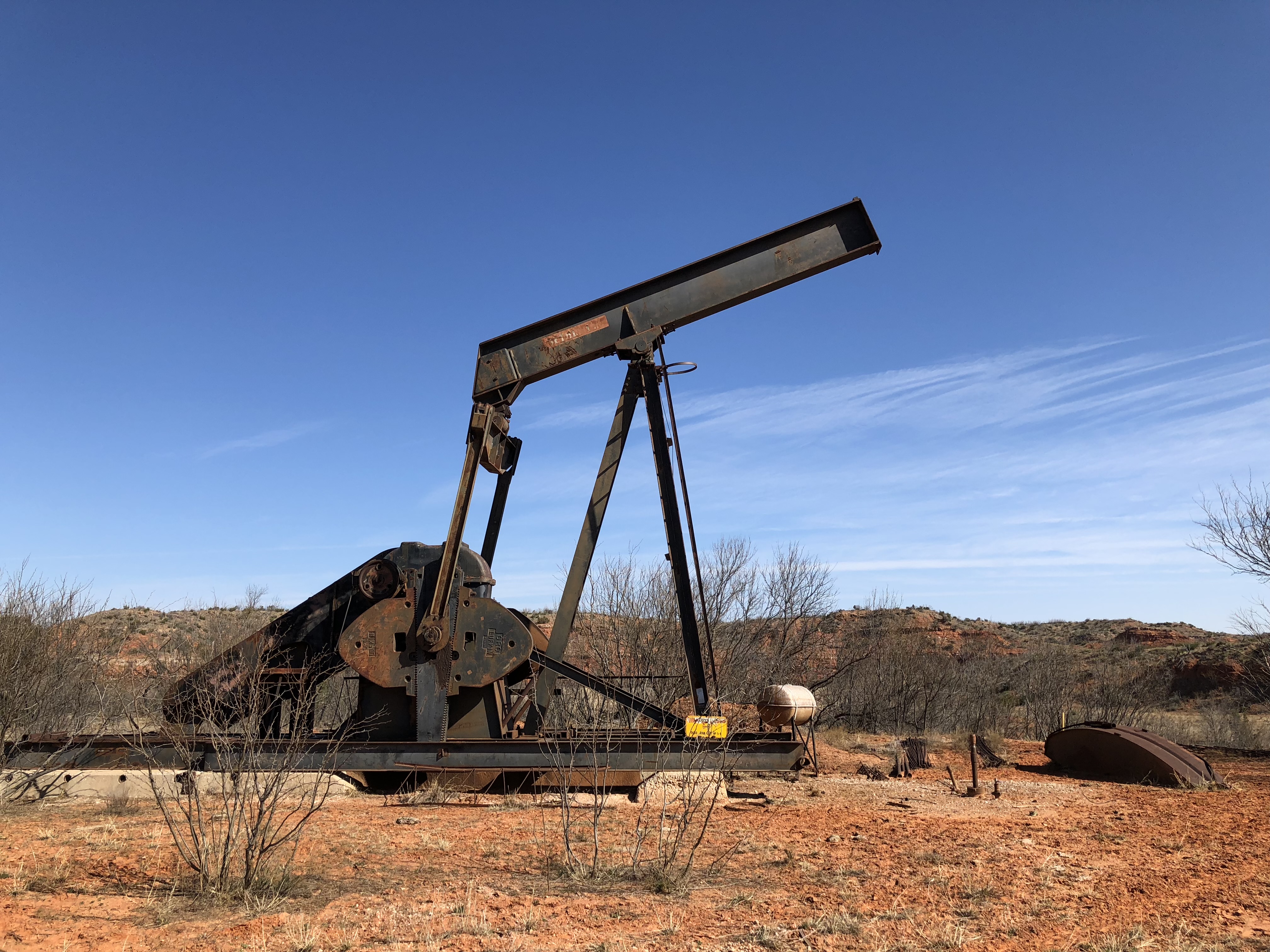
You can own the surface of a property and not own what's underneath it. Somewhere in the chain of title, a previous owner may have sold or leased the oil, gas, or other minerals separately — this is called a severed estate, and it's permanent unless the minerals are bought back. In Texas, the mineral estate is legally “dominant”: whoever owns the minerals has the right to access the surface to develop them, and a surface-only owner has limited ability to stop it.
Order a mineral rights / title search before you're under contract to see whether minerals were severed from the surface, and if so, when and by whom.
If severed, find out whether there's an active lease or producing well, and who currently holds the rights.
Talk to your lender early. Severed minerals in active drilling areas can affect financing, and appraisers sometimes apply a significant discount to the property's value as a result.
Understand the Accommodation Doctrine — it requires a mineral owner to use reasonable alternatives where they exist, but it is not a guarantee against surface disruption and can be costly to enforce.
Decide, before you write an offer, whether to negotiate for the minerals to be included in the sale or price the land with the severed estate in mind.
Mineral Rights
You can own the surface of a property and not own what's underneath it. Somewhere in the chain of title, a previous owner may have sold or leased the oil, gas, or other minerals separately — this is called a severed estate, and it's permanent unless the minerals are bought back. In Texas, the mineral estate is legally “dominant”: whoever owns the minerals has the right to access the surface to develop them, and a surface-only owner has limited ability to stop it.
Order a mineral rights / title search before you're under contract to see whether minerals were severed from the surface, and if so, when and by whom. If severed, find out whether there's an active lease or producing well, and who currently holds the rights. Talk to your lender early. Severed minerals in active drilling areas can affect financing, and appraisers sometimes apply a significant discount to the property's value as a result. Understand the Accommodation Doctrine — it requires a mineral owner to use reasonable alternatives where they exist, but it is not a guarantee against surface disruption and can be costly to enforce. Decide, before you write an offer, whether to negotiate for the minerals to be included in the sale or price the land with the severed estate in mind.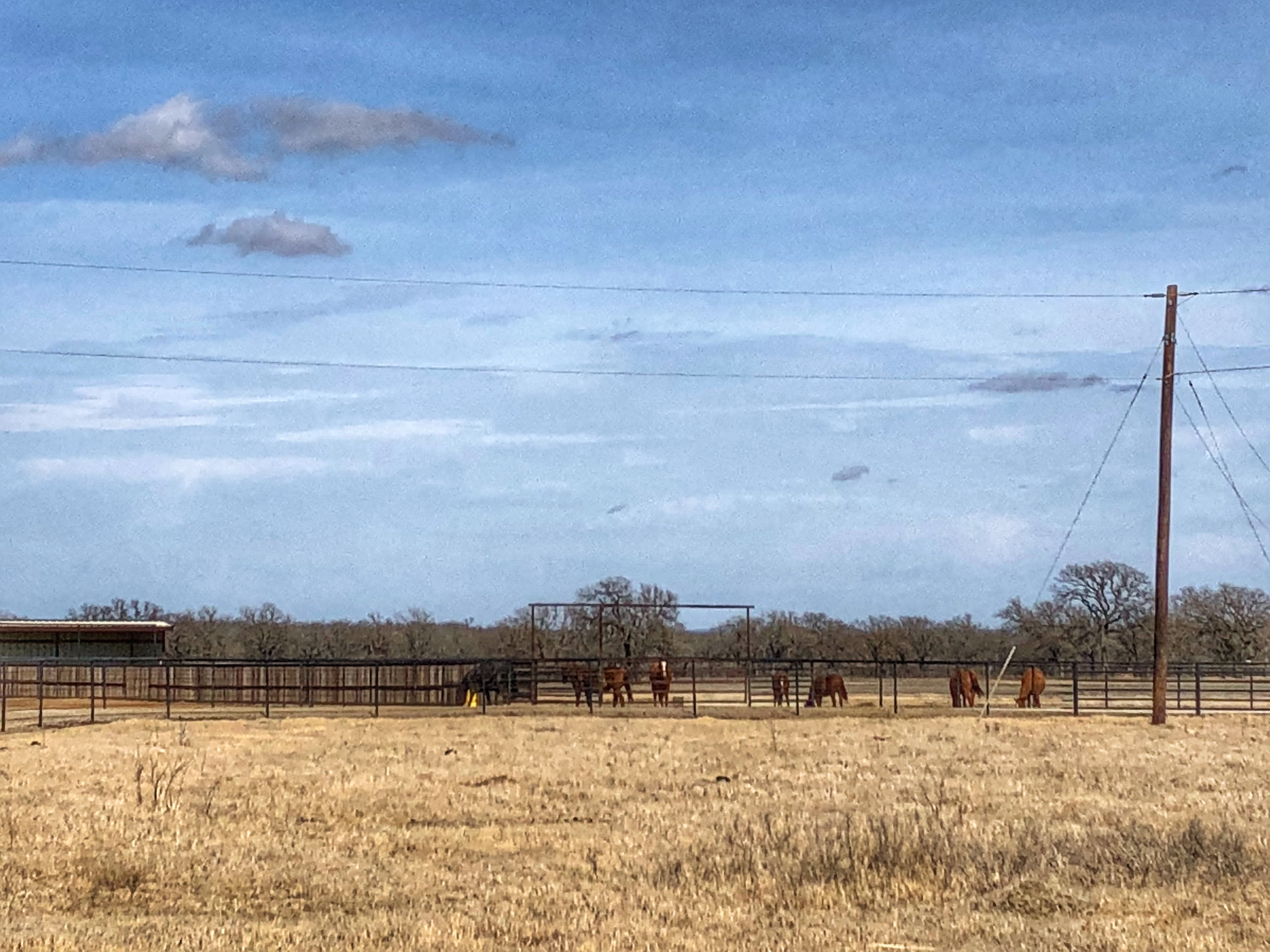
SECTION 3
Easements & Right-of-Way
An easement gives someone else — a utility company, a neighbor, a pipeline operator — the legal right to use part of your property for a specific purpose. If it's written and recorded, it transfers with the land whether or not you knew about it at closing. A verbal agreement with a neighbor (“sure, cross my land, no problem”) is a different story: it generally does not survive a sale, and the next owner isn't obligated to honor it.
Request a full title search for every recorded easement on the property — utility, access, pipeline, drainage — not just the ones mentioned in the listing. Confirm the property has legal, recorded road access. A dirt road you can currently drive on is not the same as a documented right to keep using it. If access depends on crossing a neighbor's land, get written confirmation of an enforceable, recorded easement — a handshake or history of use is not enough. Ask about any shared or private road maintenance agreements, and who is responsible for the cost and upkeep. Check whether pipeline, utility, or drainage easements restrict where you can build — this matters before you plan a home site, barn, or fencing. Consider a survey to see exactly where recorded easements fall relative to property lines before closing.
SECTION 4
Property Tax & Ag Exemption Rollback
Many Texas ranches and rural parcels carry a “1-d-1 open-space” agricultural valuation — the land is taxed on what it produces rather than its market value, which can mean thousands of dollars in annual savings. Change the use of the land (say, from grazing to a homesite or subdivision), and the county can trigger a rollback tax: it recaptures the difference for the prior three years, plus 5% interest per year. Simply buying land under this valuation and continuing the same agricultural use does not, by itself, trigger a rollback — it's the change in use that does.
Confirm whether the property currently carries an ag (1-d-1) or wildlife management valuation, and get the specifics in writing from the seller or appraisal district. Ask what agricultural use qualifies the land, and at what intensity level the county requires — standards vary by appraisal district. If you plan to change the use after purchase (build a home, subdivide, stop grazing), ask the appraisal district directly what your rollback exposure would be. Get both the current (ag-valued) tax bill and an estimate of market-value taxes, so you know your real exposure if the exemption is ever lost. Confirm what re-application or notification steps, if any, are required after a change in ownership to keep the valuation in place without interruption.**This checklist is educational and general in nature — it is not legal, tax, or financial advice. Water, mineral, and easement law and appraisal district rules vary by county and change over time. Confirm details with your title company, a real estate attorney, and/or a CPA before making a purchase decision.
Looking at Texas land or ranch property?
GS Realty Team can walk you through everything on this list — water, minerals, easements, and tax — for a specific property you're considering. Reach out, or subscribe to the Land Life Newslettter for more breakdowns like this one before your next video or listing lands in your inbox.
Click here to go to other Blog Articles
© 2026 GS Realty Team at Fathom Realty. All rights reserved. This document may not be reproduced or distributed without permission.

Greg Potts
| Greg Potts | GS Realty Team | Fathom Realty


or another way