
Categories
Land ManagementPublished July 10, 2026
The Truth About Cedar on Your North Texas Land

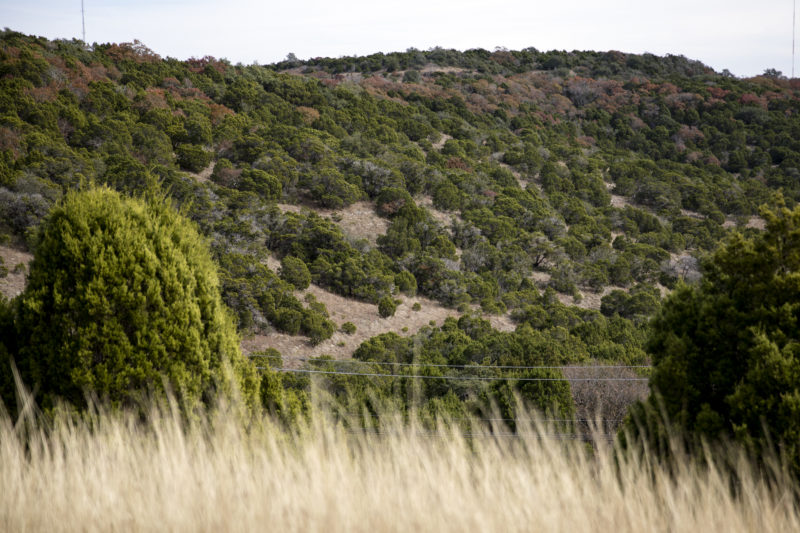
The Cedar Water Myth: What's Really Draining Your North Texas Land

If you own land in Parker, Palo Pinto, or Erath County, you've heard it: cedar is stealing your water. The reality is more nuanced — and knowing the actual science could save you from making expensive clearing decisions that don't deliver what you're expecting.
Cedar Isn't New — Fire Suppression Is
Ashe juniper — what most Texans call cedar — has been part of this landscape for tens of thousands of years. What changed isn't the tree. It's the fire.
Before European settlement, natural burns kept juniper in check. When ranchers stopped burning and overgrazed the native grasses, the fuel disappeared, the fires stopped, and the juniper moved in fast and hard.
The 33-Gallons-a-Day Myth
The old claim that a single cedar drinks 33 gallons a day is a myth. Newer research confirms Ashe juniper actually uses less water per diameter inch than a live oak. The real damage is density — not individual water use.
What's Actually Happening to Your Water
Dense cedar stands intercept rainfall before it ever reaches the soil. The canopy catches the rain, it evaporates, and your stock tanks don't see it. That's the real water problem — not root uptake, but canopy interception. A cedar thicket can stop a significant portion of a light rain from hitting the ground at all.
The good news: strategic clearing — not wholesale bulldozing — can meaningfully improve your watershed recharge and grass productivity. Many range managers recommend a 60/40 approach: clear 60% of the dense brush while retaining 40%, especially mature trees that provide shade for livestock, erosion control on slopes, and wildlife cover for deer and quail.
Clearing Methods That Work in North Texas
Mechanical shearing. Cut below the lowest green growth. Ashe juniper does not re-sprout from a properly cut stump — unlike redberry juniper, which will come back from the base.
Mulching. The cedar mulch left on the ground seals in soil moisture, reduces evaporation, and builds organic matter. Many landowners see grass recovery faster with mulching than with bare-soil clearing.
Prescribed burn. The most historically natural method. Requires a burn plan, proper conditions, and ideally coordination with your county or a certified burn manager. Highly effective but takes planning.
Goats. Work well on redberry juniper but less effective on Ashe. Useful for follow-up maintenance after mechanical clearing.
What This Means for Land Value
From a real estate standpoint: land with a documented cedar management plan and visible grass recovery consistently shows higher per-acre values than comparable untreated tracts. Buyers pay for managed land.
The Bottom Line for North Texas Landowners
Cedar management isn't about clearing everything — it's about strategic removal to improve grass production, watershed function, and wildlife habitat. Before you spend money on clearing, walk your land after a rain and see where water is moving. That'll tell you more than any map.
Have questions about how cedar coverage is affecting the value of land you're buying or selling? Call me directly. This is exactly the kind of ground-level knowledge that makes a difference in a transaction.
Greg Potts GS Realty Team greg@gsrealtyteam.com

Greg Potts
| Greg Potts | GS Realty Team | Fathom Realty
or another way